
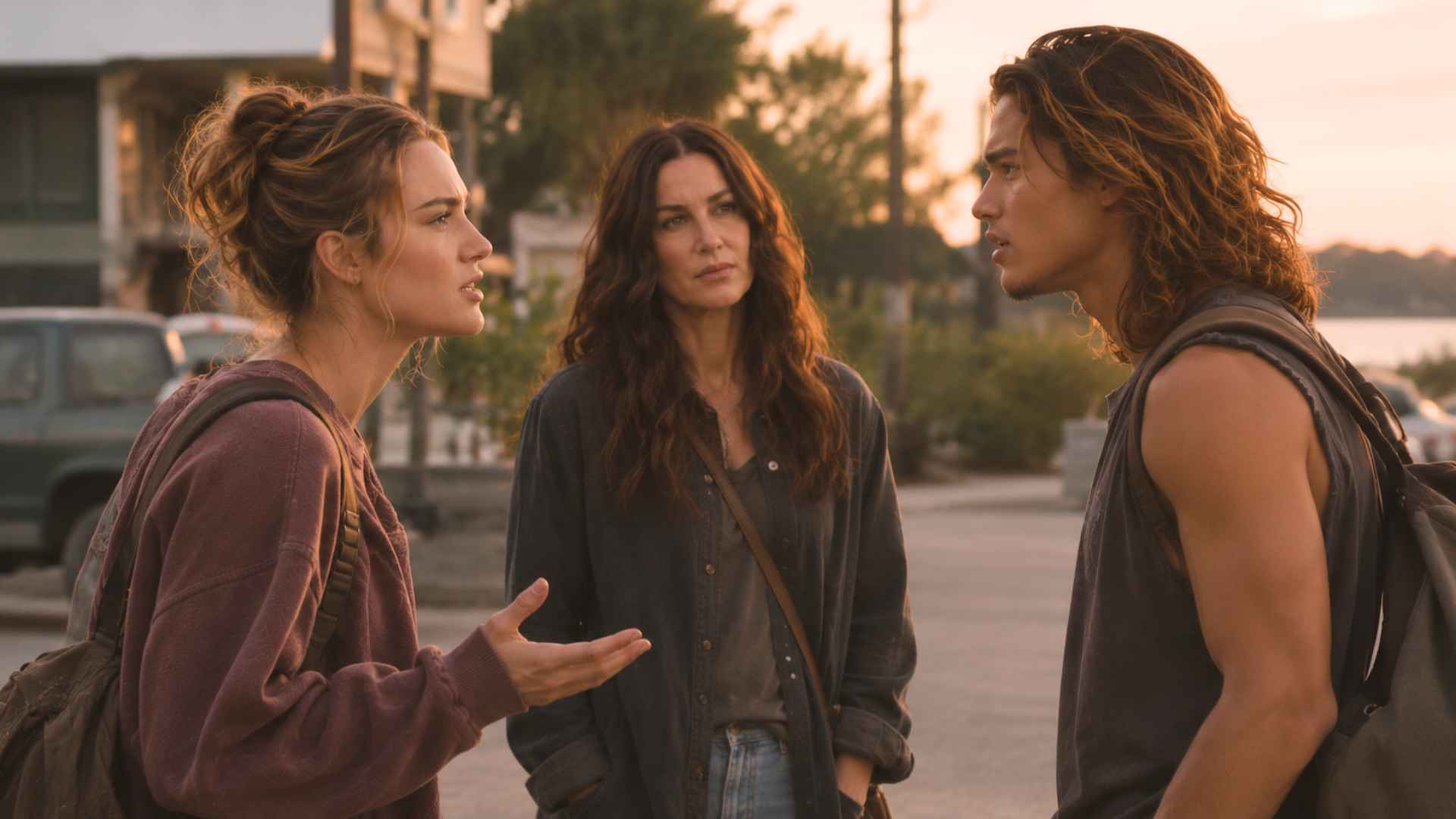
Youth cinema places childhood and adolescence at the center of a film rather than using young characters solely to support adult stories. Its subjects include friendship, social pressure, family relationships, identity, and the gradual acceptance of responsibility. Some films follow a major turning point, while others concentrate on a single afternoon or a summer that appears ordinary until relationships begin to change. The coming of age narrative is closely associated with this approach, but youth cinema also includes comedy, documentary, adventure, and short fiction. What connects these forms is sustained attention to events as young people perceive them.
Independent filmmakers have often found suitable material in places familiar to teenagers: schools, neighborhoods, swimming pools, beaches, and temporary summer jobs. These locations bring different age groups together and create situations in which rules, friendships, and personal decisions intersect. Stories do not need extraordinary incidents to establish conflict. Disagreement within a group, embarrassment after a mistake, or the end of a seasonal routine can supply a clear dramatic direction. Film form matters as much as subject matter; camera placement, editing, performance, and sound can all keep the viewer close to a young character’s limited knowledge.
Coming of Age Films Across Different Generations
Youth centered filmmaking has a substantial history. François Truffaut’s French film The 400 Blows, released in 1959, follows Antoine Doinel as he struggles with school, home life, and adult authority. Rather than presenting him simply as a troublemaker, the film shows the pressures and misunderstandings surrounding his behavior. The story became an important work of the French New Wave, demonstrating that adolescent frustration could support serious cinema. Its final freeze frame is especially notable because it leaves Antoine’s future unresolved, rather than supplying a reassuring explanation of what will happen next.
Later films approached similar transitions through different social settings. Rob Reiner’s Stand by Me (1986), adapted from Stephen King’s novella The Body, uses a childhood journey to examine friendship, fear, and loss. Niki Caro’s Whale Rider (2002) follows a Māori girl, Pai, whose ambitions conflict with expectations about traditional leadership. Richard Linklater’s Boyhood (2014) was filmed over 12 years, from 2002 to 2013, with the same principal cast. Its extended production allowed the actors’ actual aging to become part of the narrative, while everyday family experiences carried much of the story.
Ordinary Places and Short Film Storytelling
Settings are particularly useful in stories about adolescence because familiar spaces can acquire different meanings as characters mature. A pool may be a recreational space for one person and a place of responsibility for another. Summer programs can put friends into unfamiliar roles, where following instructions and earning trust become more important than popularity. Such environments also provide clear visual details: uniforms, posted rules, changing light, and the movement of people through shared space. These elements give filmmakers ways to establish context without lengthy dialogue or explanatory narration.
Short films can focus on a narrow time frame or a single relationship, making them well suited to small moments of change. Unlike a feature film, a short does not usually have room for numerous subplots or extensive backstory. Its dramatic structure may depend on one decision, one disagreement, or a brief encounter that changes a character’s view of someone else. The restriction is practical as well as creative: every scene must contribute to the central situation. An understated ending can be appropriate when a young character has learned something without resolving every conflict in their life.
Young Characters, Film Language, and Social Context
Perspective determines whether a youth centered story feels attentive to its characters. Scenes framed around what a teenager sees, hears, and knows can preserve uncertainty instead of granting the audience constant access to adult explanations. Dialogue also matters. Young people vary in confidence, vocabulary, humor, and willingness to speak openly, so identical voices can make characters less convincing. Silence, hesitant responses, and changes in behavior may reveal more than a speech that explains an emotion. Casting and direction are therefore central to the way adolescents appear on screen.
The films also reflect the conditions of their particular societies. The 400 Blows depicts institutions and family tensions in postwar France, while Whale Rider addresses gender and cultural expectations within a specific Māori community. These are not interchangeable experiences, even though both involve a young person facing resistance from elders. Cultural detail gives each narrative its meaning. Filmmakers working with young performers must also consider suitable working conditions and age appropriate direction, separating the demands of production from the fictional pressures shown in the story.
Screen stories about young people are most informative when they acknowledge both dependence and agency. Teenagers often operate within rules established by schools, families, or community organizations, yet their choices still affect friendships and responsibilities. A summer ending, a group separating, or an unfamiliar duty can mark a transition without becoming a dramatic life crisis. From the extended timeline of Boyhood to the concentrated action of a short film, youth cinema records changes in perspective that are easy to overlook in adult centered narratives. Its lasting subject is not youth as an ideal, but the specific experience of growing up within a recognizable world.