
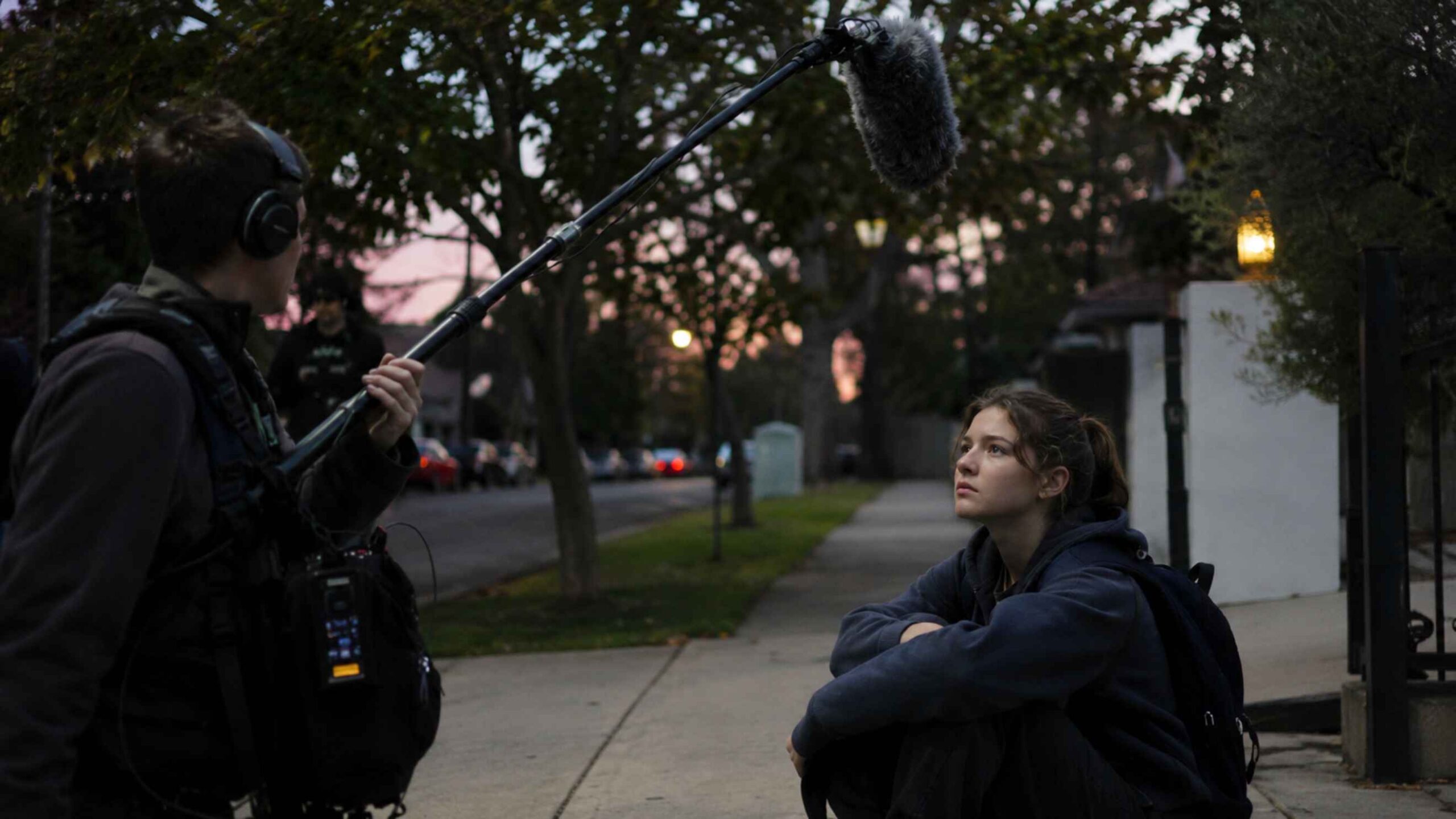
Coming of age films frequently focus on personal relationships, emotional changes, and everyday moments that gradually shape a character’s identity. While dialogue and cinematography receive considerable attention, sound is equally important in establishing the environment around those experiences. Background conversations, footsteps, distant traffic, and natural sounds can make an ordinary scene feel believable without requiring elaborate visual production.
Independent filmmakers often work with limited budgets, small crews, and locations that offer little control over surrounding noise. These conditions make sound recording particularly important. Unwanted background interference can reduce dialogue clarity, while carefully selected ambient sounds can contribute to the story. The distinction depends on whether a sound supports the scene or distracts viewers from the characters and their actions.
Teenage experiences often take place in familiar environments such as schools, bedrooms, neighborhood streets, and public parks. Each location has a recognizable acoustic character. School corridors may contain overlapping voices and footsteps, while quiet residential streets carry distant vehicles or neighborhood activity. Recording and reproducing these details helps establish a consistent setting, particularly when scenes are filmed across different days.
Ambient Sound and Emotional Atmosphere
Ambient sound refers to background audio that establishes the acoustic character of a location. It can include wind, distant conversations, insects, traffic, or mechanical equipment. In character driven films, these elements contribute to the emotional atmosphere without necessarily drawing attention to themselves. Subtle environmental changes can distinguish a busy public scene from a private moment of reflection.
Sound perspective also affects the way viewers interpret a character’s surroundings. Nearby footsteps generally sound more prominent than activity occurring farther away, while enclosed rooms produce different reflections from open outdoor spaces. Filmmakers can adjust these relationships during post production to reinforce visual distance and location. Maintaining believable acoustic perspective helps prevent scenes from feeling disconnected or artificially assembled.
Dialogue Recording and Background Noise
Clear dialogue is especially important in films where small conversations carry much of the narrative. Location recording commonly relies on directional microphones, boom operators, and sometimes wireless microphones attached to performers. Equipment selection depends on the scene, available crew, and environmental conditions. Microphone placement is often more important than expensive equipment because distance and interference directly affect recording quality.
Room tone provides another useful element during sound editing. This is a recording of the natural background sound of a location, usually captured without dialogue. Editors use it to fill gaps between spoken lines and reduce noticeable changes after unwanted noises are removed. Without suitable room tone, edited dialogue may contain abrupt shifts in background sound that distract from an otherwise convincing performance.
Sound Effects and Independent Film Editing
Foley involves recording sounds that correspond to visible actions, including footsteps, clothing movement, and object handling. These recordings can supplement or replace sounds that were difficult to capture during filming. For intimate coming of age stories, small details such as a chair scraping across the floor or shoes moving along a hallway can strengthen the physical presence of characters within a scene.
Sound editing also requires decisions about which noises should remain absent. Constant background music or excessive environmental detail can compete with dialogue and emotional expression. Silence, or a noticeable reduction in surrounding sound, may create space for an important moment. Such choices should reflect the story’s perspective rather than treating every quiet passage as a technical problem requiring additional audio.
Successful independent film soundtracks depend on consistency, intelligibility, and thoughtful use of environmental detail. Recording suitable material on location gives editors more flexibility later, while careful sound mixing maintains a natural relationship between dialogue and atmosphere. When ambient noise reflects the character’s surroundings and emotional circumstances, it contributes meaningfully to storytelling without overwhelming the performances.